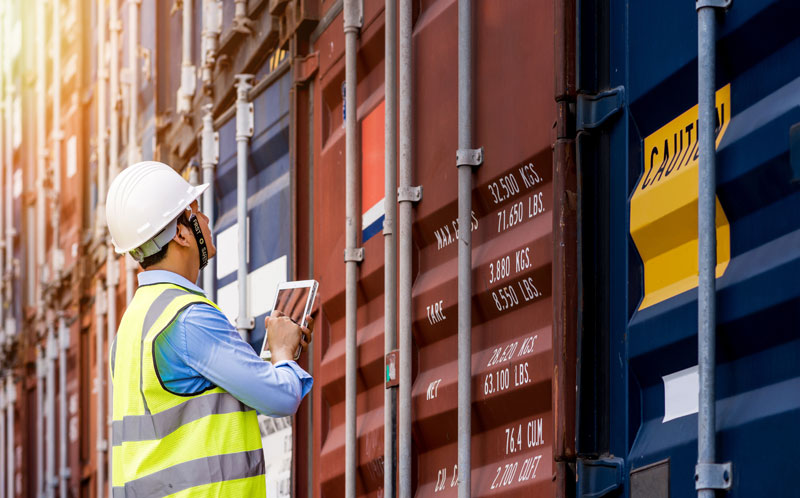
Cargo security seals have become a critical component of modern logistics operations. They protect freight from theft, tampering, and unauthorized access while helping companies meet regulatory requirements and improve supply chain transparency. As the global movement of goods grows more complex, innovations in cargo security seal design are rapidly evolving. In 2026, several major trends are shaping the future of how cargo is protected at every stage of transit.
One of the most significant innovations in cargo security seals is the integration of digital technologies that provide real-time data and actionable insights. Traditional seals served as simple physical indicators of unauthorized access. Today, advanced solutions go far beyond visible tamper evidence. They connect physical seals with cloud-based platforms to give logistics managers visibility into the status and condition of their cargo anywhere in the world.
Digital Integration and Real-Time Monitoring
The rise of Internet of Things devices and cloud computing has accelerated the development of smart cargo security seals. These next-generation seals can transmit data about container movement, temperature, shock events, and seal status throughout transit. With built-in sensors and connectivity, smart seals give logistics teams timely alerts if a seal is compromised or unexpected activity occurs.
A growing innovation trend in 2026 is the widespread use of the Seal with Mobile App model. These seals pair with mobile applications that allow users to arm, disarm, and verify seal integrity using smartphones or tablets. A Seal with Mobile App enables front-line personnel to quickly check seal status, capture photos, and upload verification logs to a central database without specialized scanning equipment. This reduces the need for costly tools and improves the efficiency of seal checks at checkpoints around the world.
Mobile applications also offer convenience and accuracy. Workers can scan barcodes or NFC tags on the seal to instantly record data, verify identities, and confirm the chain of custody. The app interface can guide users through best practices for seal application and documentation, reducing human error and enhancing compliance.
Secure Authentication and Anti-Counterfeiting Features
Security seal design in 2026 also focuses on stronger authentication features to deter counterfeiting. Seals now incorporate advanced materials, unique signature codes, and embedded markers that are difficult to replicate. Many seals use multi-factor authentication that requires both a physical seal and a digital verification code transmitted to an authorized user.
Biometric authentication is another rising trend. Some innovative seals work with biometric scanners to confirm the identity of individuals who apply or remove a seal. This creates a higher level of accountability and makes unauthorized access easier to detect. Biometric logs stored in secure systems help establish a clear timeline of events that is invaluable during investigations or audits.
Energy Harvesting and Long Life Designs
Powering smart seals remains a challenge, especially for long voyages or extended storage periods. In response, engineers are developing energy harvesting technologies that draw power from motion, light, or temperature gradients. These innovations extend battery life and reduce maintenance requirements.
Some next-generation seals use ultra-low power electronics that enter a sleep mode until triggered by movement or a tamper event. Others integrate miniature solar cells to recharge onboard power sources. These approaches ensure that seals remain operational without frequent battery changes and enable continuous monitoring throughout the entire supply chain.
Enhanced Data Security and Blockchain Integration
As cargo security seals collect and transmit more data, protecting that information becomes a priority. Data encryption protocols and secure authentication methods are now built into advanced seal systems. Blockchain technology is also gaining traction for recording seal status changes in an immutable ledger.
Using blockchain, stakeholders can access a shared record of seal events that is resistant to tampering or revision. This enhances trust among participants, including shippers, carriers, customs authorities, and customers. A tamper-evident blockchain log provides a strong defense against disputes and supports regulatory compliance.
Sustainability and Environmental Considerations
Environmental concerns are influencing cargo security seal design as well. Manufacturers are developing seals made from recyclable or biodegradable materials without compromising strength or tamper resistance. Sustainable seals meet the needs of environmentally conscious companies and help reduce plastic waste in global supply chains.
Innovations in material science also improve seal performance. Advanced polymers and alloys resist harsh conditions such as extreme heat, cold, salt water, and vibration. These materials ensure that seals maintain integrity in challenging environments such as ocean freight or cross-border land transport.
Looking Ahead
In 2026, innovations in cargo security seal design reflect a shift toward smarter, more connected, and more secure solutions. From advanced digital integration and the growing adoption of Seal with Mobile App systems to enhanced authentication and energy-efficient designs, these advancements offer significant value to the logistics industry. As companies adopt these innovations, they will strengthen supply chain resilience, improve efficiency, and reduce risk in an increasingly interconnected world.